
Enhance Your Project’s Vision with Expert Landscape and Visual Assessments.
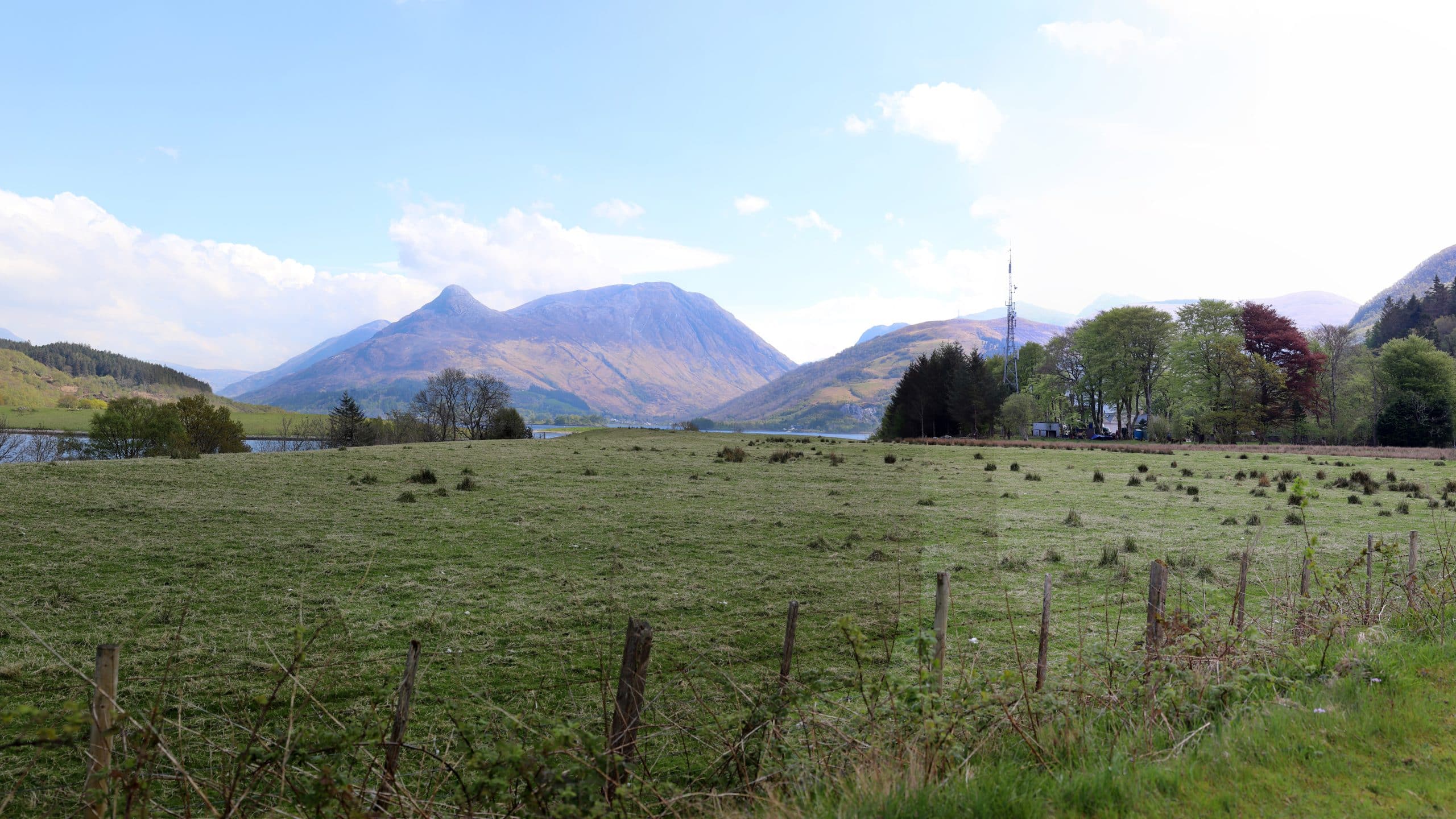

LVIA can stand for Landscape and Visual Impact Assessment or Landscape and Visual Impact Appraisal. Assessments are submitted as a chapter of an Environmental Statement for sites where an EIA is required; whereas an Appraisal is a standalone report, typically accompanying a planning application.
These reports cover the effects of the proposed development on the landscape character of the site and the local area, as well as its effects on visual amenity – i.e., where can the site be seen from in the local area, and how will these views change on construction/operation of the proposed development.
A well-prepared LVIA identifies the potential effects to receptors; allowing mitigation to be prepared to reduce negative effects on the local landscape character and visual amenity.
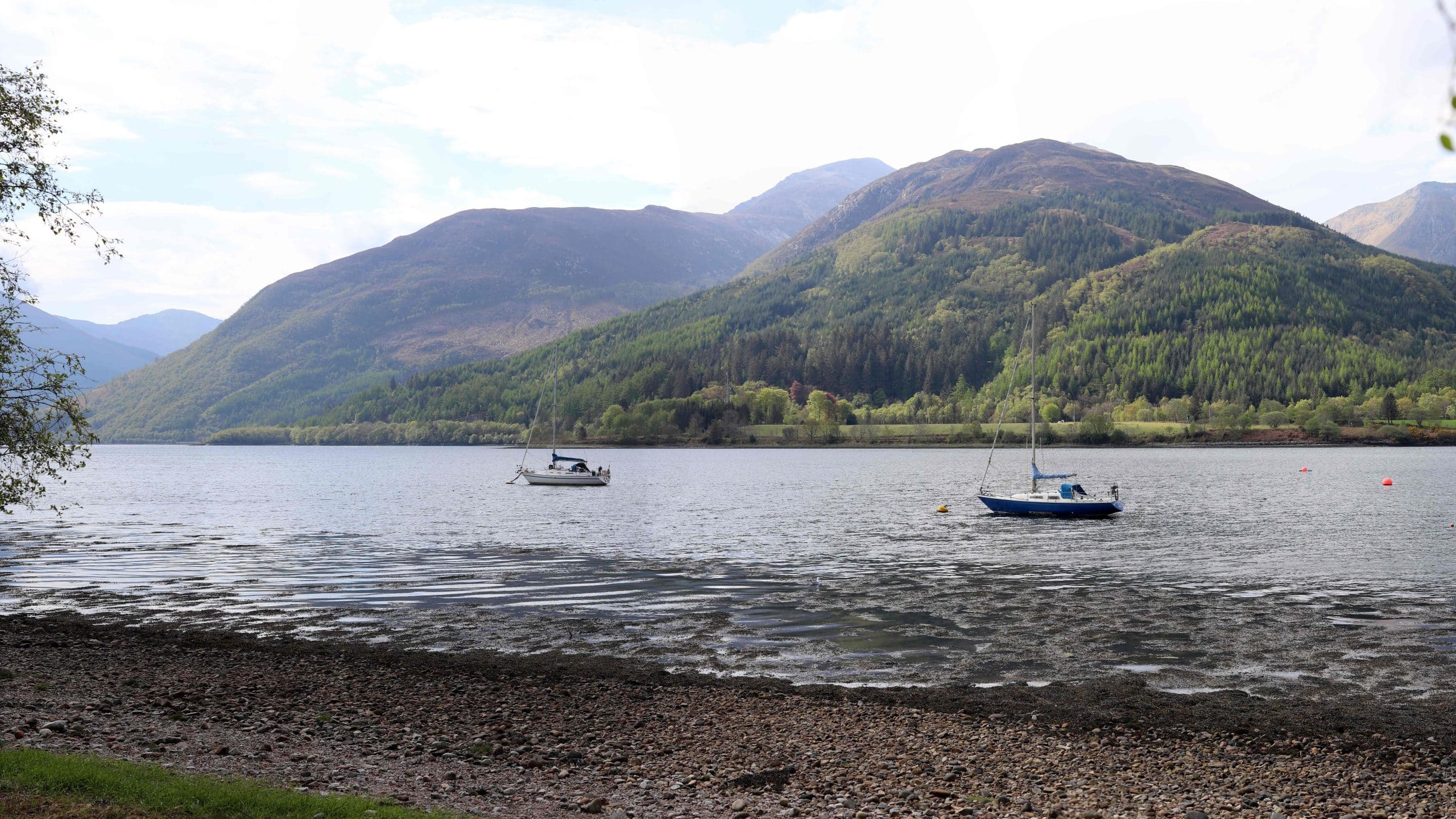
Landscape and Visual Impact Assessment
For developments requiring an Environmental Impact Assessment. Submitted as a chapter of your Environmental Statement.
Landscape and Visual Appraisal
For developments that don’t trigger EIA but where landscape or visual effects need addressing. A standalone report submitted with your application.
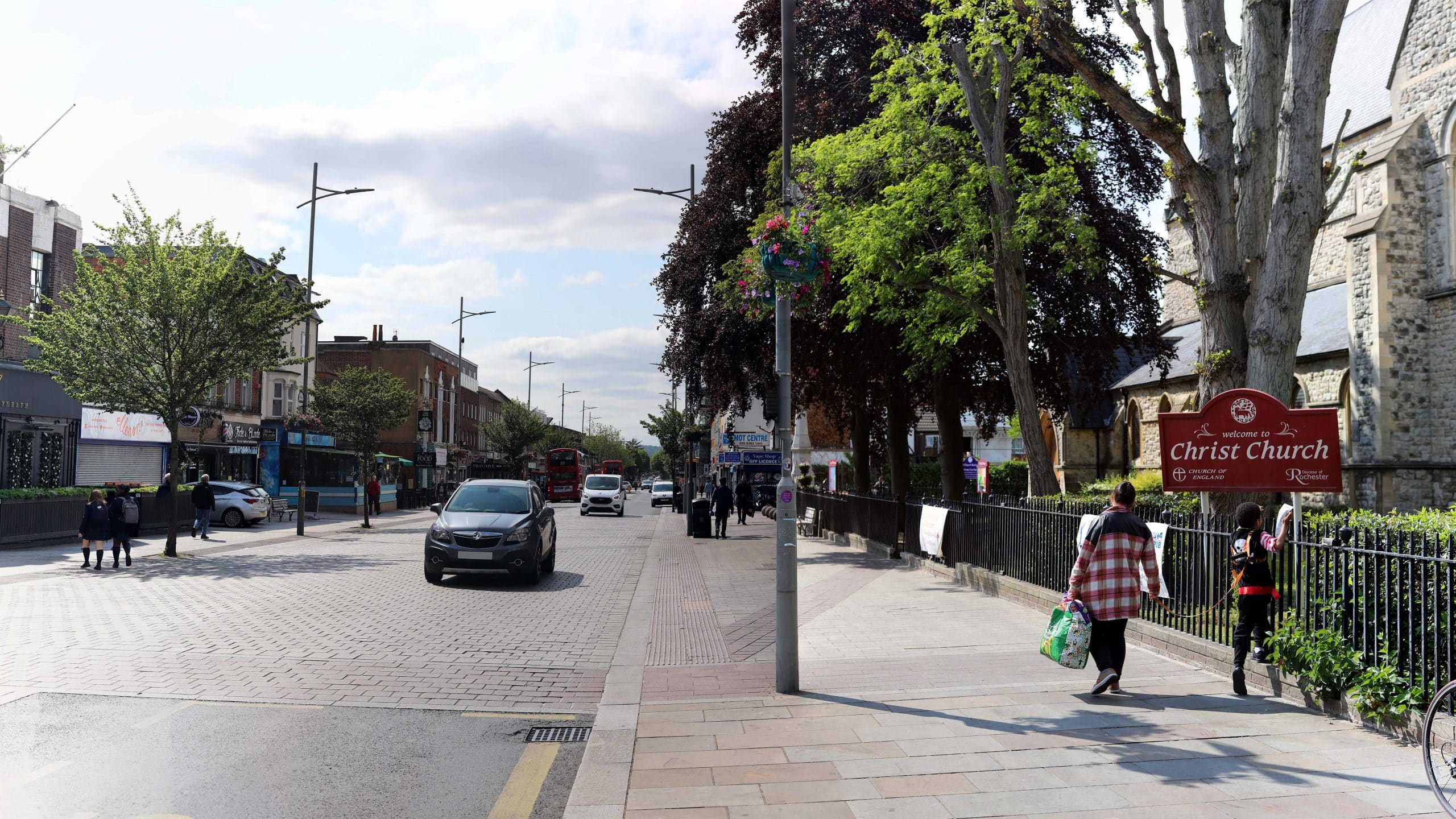
Townscape and Visual Impact Assessment
For sites in urban settings, where townscape character rather than open landscape is the concern.
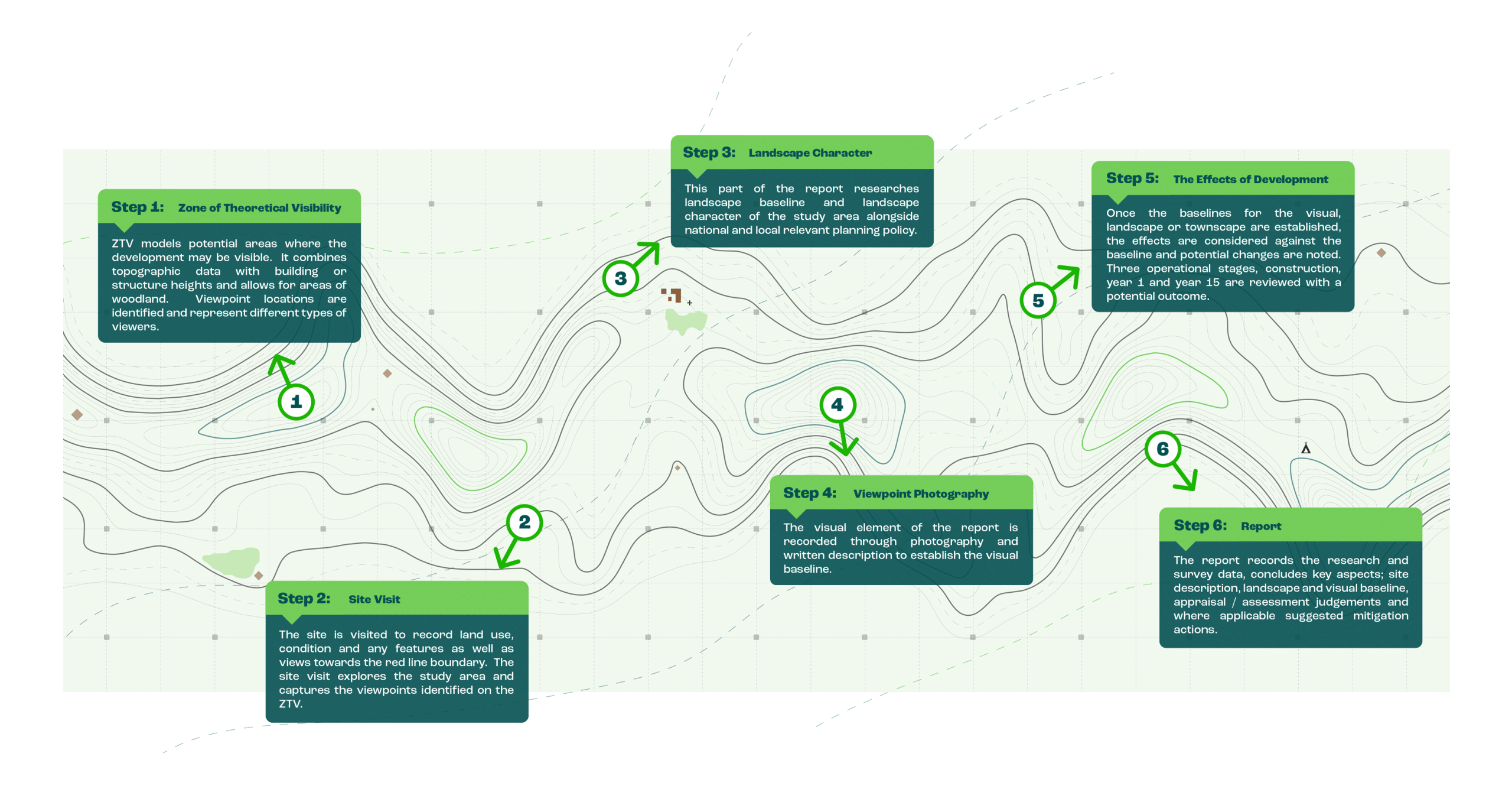
Our assessments follow a six-stage process built around GLVIA3, the industry methodology that planning authorities expect an LVIA to be prepared to. It begins with visibility modelling and a site visit, moves through the landscape and visual baseline, and ends with a report that sets out the likely effects of your development at construction, year 1 and year 15, alongside any mitigation we would recommend.
ZTV models potential areas where the development may be visible. It combines topographic data with building or structure heights and allows for areas of woodland. Viewpoint locations are identified and represent different types of viewers.
The site is visited to record land use, condition and any features as well as views towards the red line boundary. The site visit explores the study area and captures the viewpoints identified on the ZTV.
This part of the report researches landscape baseline and landscape character of the study area alongside national and local relevant planning policy.
The visual element of the report is recorded through photography and written description to establish the visual baseline.
Once the baselines for the visual, landscape or townscape are established, the effects are considered against the baseline and potential changes are noted. Three operational stages, construction, year 1 and year 15 are reviewed with a potential outcome.
The report records the research and survey data, concludes key aspects; site description, landscape and visual baseline, appraisal / assessment judgements and where applicable suggested mitigation actions.
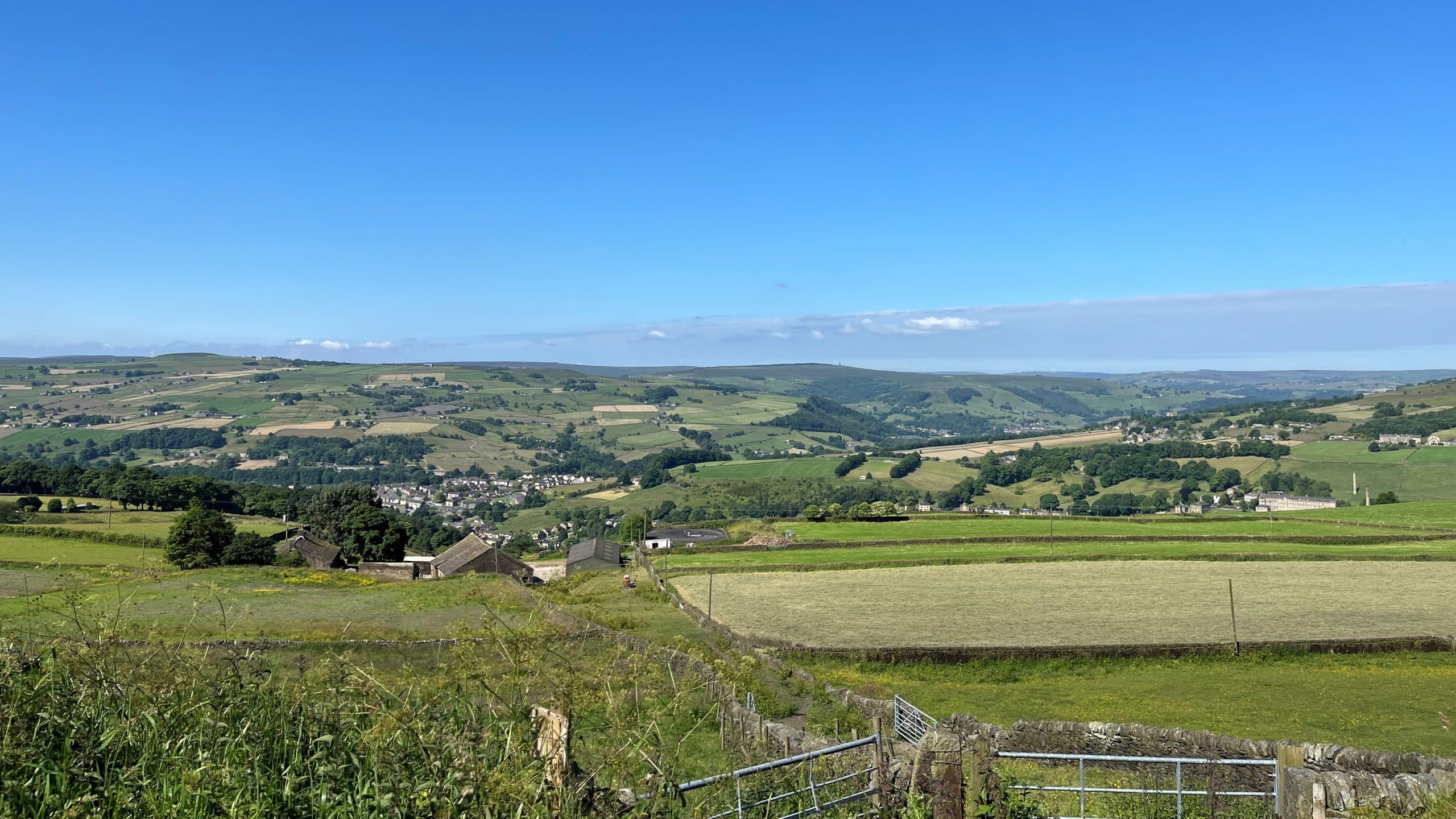
We offer a tailored appraisal report that is appropriate to the size of the project and the client budget. As with LVAs, this report would include a site visit and a desk study. This is an ideal option for private individuals who have a small project.
OS mapping and landform data is required for us to include to use for modelling the Zone of Theoretical Visibility (ZTV). These will be charged for separately which, depending on site size can be £100 – £300 plus VAT.
A Landscape and Visual Impact Assessment (LVIA) typically takes between 2 to 6 weeks for small to medium sized projects. Larger or complex developments may take a little longer however the exact timeline can vary due to the scale of the project and the specific requirements of the local planning authority.
LVIA stands for Landscape Visual Impact Assessment and LVA is a Landscape and Visual Impact Appraisal. An LVIA (assessment) forms part of a broader Environmental Impact Assessment (EIA) and are generally required for larger, complex developments that are often screened as needing an EIA. An LVA (Appraisal) is broadly similar but does not require an EIA, they are either part of the validation checklist for the local planning authority (LPA) or requested due to a proposed developments potential landscape impact.
A TVIA stands for Townscape and Visual Impact Appraisal and is relevant to proposed developments within an urban settlement. Generally, there would be no landscape character assessment covering the area but there maybe a townscape character assessment that can be assessed against.
Every local planning authority has a planning validation checklist that sets out the requirements for LVIA and TVIA, however just because it isn’t on a validation list doesn’t mean it isn’t needed. It may be requested as additional to the validation checklist in a scenario where the proposals:
Alternatively, an LVIA/TVIA may be requested by the local planning authority through pre application advice.
If you’re unsure whether your proposals may need an LVIA please get in touch and one of our qualified landscape architects can take a look and give you their expert opinion.
All of our assessments and appraisals are carried out using methodology based on the industry standard: GLVIA3. This guidance encourages that the assessment of effects on landscape character and visual amenity is undertaken using clear professional judgement, the criteria for which is set out transparently within the assessment itself.
Additionally, the Landscape Institute have also produced guidance related to the visualisation of development proposals, namely TGN 06/19 Visual Representation of development proposals which was published in 2019. On-site viewpoint photography would be undertaken in line with these guidelines.
The cost of an LVIA can vary from project to project depending on various factors such as the sensitivity of the proposed development, number of viewpoints required and location of development. Our reports generally have a starting price of £2,000 and rise with complexity. Please get in touch for your free, no obligation quote.
LVIAs/TVIAs assessing sites that are located within the green belt can include an additional chapter on green belt assessment. This chapter looks at the baseline green belt assessment of the area (based on the 5 purposes of the green belt) and assesses the change on the green belt as a result of the proposed development.
To get a free, no obligation LVIA, LVA or TVA quote please fill in the form below or email info@brindlegreen.co.uk. Our team is here to assist. We aim to respond to all enquiries within 1-2 working days.